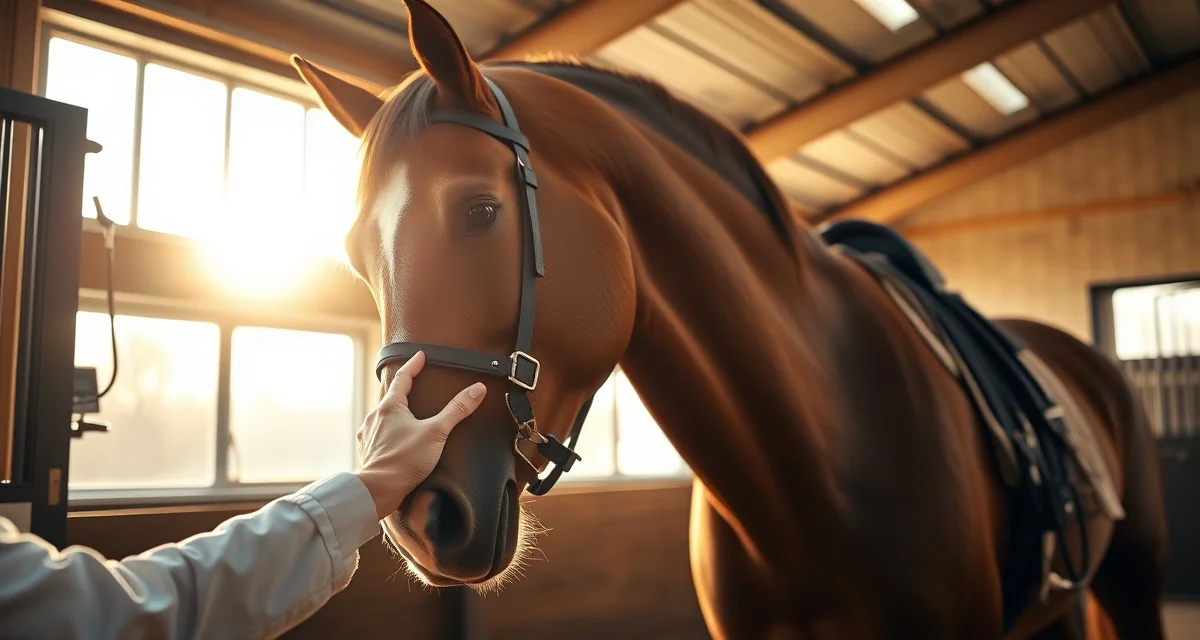
Western Barn Health Monitoring: Complete Guide for Facility Managers
Western horse events generated $2.4 billion in economic activity in 2024, and the horses at the center of that economy face specific physical demands that require targeted health monitoring. A reining horse's joints absorb tremendous force from slide stops and spins. A barrel horse in heavy competition season hauls thousands of miles and runs at maximum effort. A cutting horse works with cattle in conditions that challenge respiratory health and carry parasite exposure risks. None of these animals benefits from generic health monitoring.
TL;DR
- Western facilities carry billing complexity -- cattle fees, arena time, split partner charges, discipline-specific packages -- that generic barn software was not built to handle.
- Multi-discipline operations running cutting, reining, and western pleasure under one roof need billing tools that differentiate by competition organization.
- Futurity development timeline visibility shifts owner communication from reactive to proactive, reducing check-in calls and disputes.
- NRHA, NCHA, and AQHA compliance requirements for drug testing and withdrawal periods require records tied to planned show entry dates.
- Purpose-built western facility software eliminates the spreadsheet workarounds that most operations currently use to fill software gaps.
This guide covers health monitoring systems for western facilities, with specific attention to the discipline-specific health risks that affect your horse population.
Discipline-Specific Health Risks at Western Facilities
Reining horses. The physically demanding maneuvers of reining, particularly sliding stops, spins, and rollbacks, place repetitive stress on the hocks, stifles, and suspensory structures. Reining horses in active training programs benefit from regular joint assessments, proactive injection protocols for horses showing early signs of discomfort, and close monitoring of footing conditions that may increase impact stress.
Watch specifically for: reluctance to engage the hindquarters, changes in the quality of slides, increased resistance in spins or rollbacks, and subtle behavioral changes that precede lameness by days to weeks.
Barrel horses. The start and the turns in barrel racing put stress on front suspensories, fetlocks, and feet. Horses in heavy competition schedules are also at risk for shipping-related illness (shipping fever, viral respiratory infections from exposure at events) and stress colic from travel and irregular feeding schedules.
Watch specifically for: front leg filling after heavy competition, respiratory symptoms following events where horses were stabled alongside unfamiliar horses, irregular manure production during and after travel, and weight loss in horses running a frequent competition schedule.
Cutting horses. Working cattle brings exposure to bovine respiratory diseases and cattle-borne parasites. Cutting horses that train in cattle environments benefit from a more aggressive parasite control program and respiratory monitoring.
Watch specifically for: nasal discharge after cattle work sessions, coughing, changes in energy or respiratory rate that could indicate early illness.
Trail horses and general western boarders. These horses have lower performance stress but are still at risk for the standard equine health concerns. Their monitoring can be less intensive but shouldn't be absent.
Daily Health Monitoring Protocol
Regardless of discipline, every horse in your facility needs daily eyes. The level of detail varies by program intensity, but the baseline is the same:
Morning assessment:
- Visual check from the stall: attitude and comfort
- Water consumption overnight
- Manure production and quality
- Morning appetite
- Leg check before exercise: all four lower limbs for heat and filling
Post-exercise check:
- Cooling out properly completed
- Legs after work: any new filling or heat vs. pre-ride check
- Any behavioral signs of discomfort during work (reported by trainer or rider)
- Water intake post-work for horses that tend to be poor drinkers
Evening check:
- Appetite at evening feeding
- General comfort
- Any changes since morning
All observations should be logged, not just mental notes. When a horse has persistent front leg filling for three days, you want to be able to show the veterinarian a log that says day 1: slight filling in left front, day 2: filling increased, day 3: heat present in addition to filling. That timeline helps the vet assess severity and guides treatment decisions.
Veterinary Management at Western Facilities
Western performance facilities typically have an active veterinary relationship, with regular maintenance visits in addition to emergency calls. Managing that relationship effectively requires organization.
Maintenance injection tracking. Reining horses in particular often receive regular hock and fetlock injections as part of their maintenance program. Tracking the date, product used, and treating veterinarian for each injection is important for two reasons: it tells you when the next round is due, and it creates a record that's essential for drug testing compliance at NRHA-recognized shows.
Drug testing compliance. NRHA and other western organizations test at major events. Some products have withdrawal periods that must be observed before showing. Tracking treatment dates and withdrawal periods for every competing horse eliminates the risk of showing a horse that's technically ineligible.
Show vet records. Some events require current Coggins and vaccination records. Maintaining those centrally, with expiration alerts, prevents the show-day scramble that happens when records are in a folder somewhere at the barn.
Farrier Management for Western Horses
Shoeing is particularly consequential for western performance horses. Reining horses need balanced, often natural-shaped feet that support the slide. Barrel horses need excellent hoof quality and often bar shoes or other support depending on the horse's conformation. Cutting horses need shoes that don't interfere with the quick directional changes their work demands.
Your farrier schedule should be built into your barn management system the same way vet visits are. Overdue farrier visits show up as a flag, not as something you realize when a horse starts chipping.
Using Software for Western Barn Health Monitoring
BarnBeacon's barn management software centralizes health records across all horses in your facility. Daily observation logs, vet visit notes, medication records, and farrier appointments all live in one place and are accessible to trainers, barn staff, and veterinarians.
The drug testing compliance feature is particularly relevant for western performance horses: you can log treatments with withdrawal periods and receive alerts before a horse is entered in a show where that product would create an eligibility issue.
For a complete view of how health monitoring fits into your western barn management approach, see the western barn operations guide.
Get Started with BarnBeacon
Western facility billing, compliance tracking, and futurity program management require tools built for the specific demands of competitive western operations -- not generic barn software adapted with workarounds. BarnBeacon handles multi-discipline billing, NRHA and NCHA compliance records with withdrawal period alerts, and futurity development tracking with owner portal visibility in a single platform. If your western operation is managing these workflows across spreadsheets and manual entries, BarnBeacon gives you an integrated alternative.
Frequently Asked Questions
How do western barn managers handle health monitoring?
The most organized western facilities run daily observation protocols with written logs for every horse, maintain centralized veterinary records with reminder systems for renewals and maintenance appointments, and track drug testing withdrawal periods for competing horses.
What software do western facilities use for health monitoring?
Western facilities need health monitoring software that handles drug testing compliance records, maintenance injection tracking, and daily observation logs in one system. BarnBeacon is designed for the specific health management needs of western performance horses.
What are the unique health monitoring challenges at western barns?
Discipline-specific health risks (joint stress in reiners, shipping illness in barrel horses, cattle-exposure issues in cutters) require discipline-specific monitoring protocols. Drug testing compliance tracking is a unique requirement of competitive western facilities that most generic barn software doesn't address.
How do western facilities handle billing for cattle-related charges?
Cattle charges -- whether per-head fees for working specific cattle, pen rental, or cattle sourcing costs -- should be captured at the time of each session rather than estimated at month end. Create dedicated billing categories for cattle-related charges in your management system so they are clearly separate from board, training, and arena fees on the owner's invoice. When multiple clients use the same cattle group in a session, the cost allocation method should be defined in writing and agreed to before the session occurs.
What compliance records are most critical for western performance facilities?
For NRHA and NCHA competing horses, joint injection records with specific product names, administration dates, and calculated clearance dates tied to planned competition entries are the highest-stakes compliance records. AQHA registration compliance -- ensuring competing horses have current registration and eligibility for entered classes -- is a second critical documentation area. Maintain these records in a system that allows date-based queries so you can pull clearance status for any horse before submitting an entry.
Sources
- American Association of Equine Practitioners (AAEP)
- American College of Veterinary Internal Medicine (ACVIM)
- Cornell University College of Veterinary Medicine
- University of California Davis School of Veterinary Medicine
- The Horse magazine