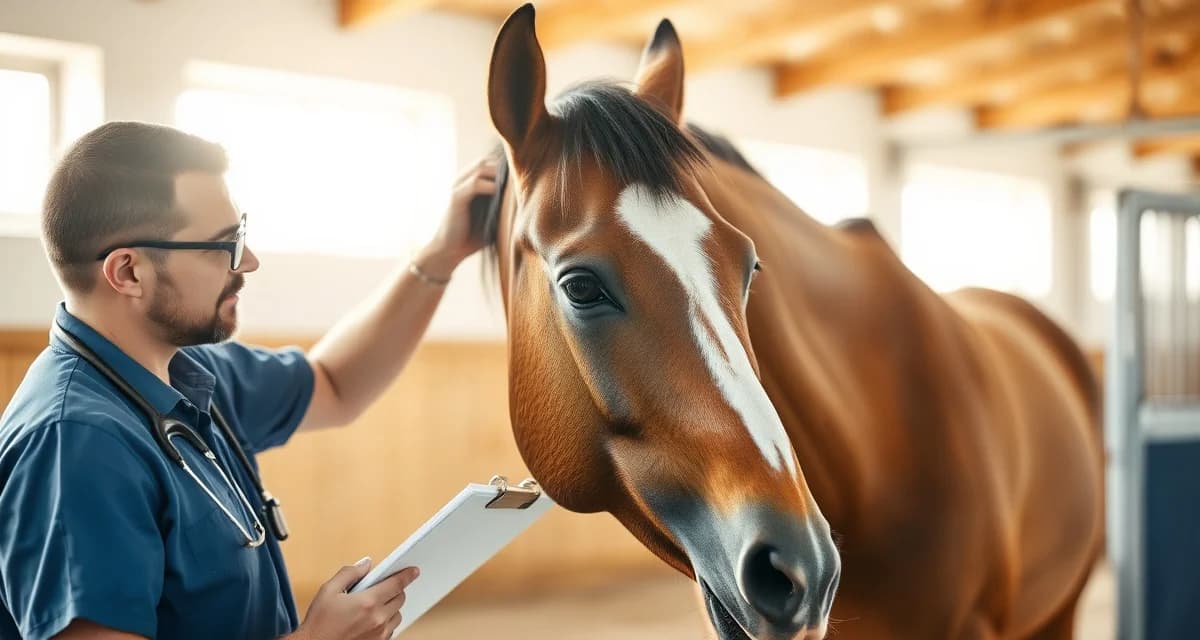
Daily Horse Health Monitoring: What to Check and How to Record It
Daily horse health monitoring is the most important thing your staff does. Everything else at your facility, the feeding programs, the turnout schedules, the billing, all exists to support the welfare of the horses in your care. Daily health monitoring is what ensures problems get caught early, when they are most treatable.
The Minimum Standard: Twice-Daily Assessment
Every horse at your facility should receive a visual health assessment at least twice per day: once at morning feeding and once at evening feeding. These assessments do not require a veterinary examination. They require attentive observation by someone who knows what normal looks like for each horse.
The morning assessment is particularly important because horses have been in their stalls overnight without observation. Problems that developed after the previous evening check, whether colic, an injury from pawing, or a dramatic mood change, will show up during morning assessment.
What to Assess Every Day
General Demeanor
Is the horse bright, alert, and interested in food and its surroundings? Or is it dull, unresponsive, standing at the back of the stall? Demeanor change is often the first sign that something is wrong.
Feed and Water Consumption
A horse that hasn't touched its morning grain or hay is flagging a problem. Note not just whether the horse ate, but how much it ate relative to its normal intake. Reduced appetite over several days is as significant as a complete food refusal on one day.
Physical Observations
- Check legs for heat, swelling, or cuts
- Look at the eyes for discharge or cloudiness
- Check the nose for unusual discharge
- Look at the coat for sweating in cold conditions (pain response) or dryness and dullness
- Observe the horse's stance for weight shifting or reluctance to bear weight on a limb
- Look at the abdomen for distension
Manure and Urine
Normal manure production and consistency is a significant health indicator. Absent manure, watery manure, or very dry manure all indicate digestive issues. Check the stall during cleaning for abnormal manure or signs of excessive urination.
Vital Signs for Horses Under Observation
For horses being monitored for a known issue, take and record temperature, pulse, and respiration during each assessment. Normal ranges: temperature 99-101.5°F, pulse 28-44 beats per minute at rest, respiration 10-24 breaths per minute.
Recording What You Observe
Observations are only valuable if they are recorded. A verbal report passed from the morning staff to the evening staff is better than nothing, but it does not create a permanent record and it breaks down the moment the chain of communication fails.
Every health observation should be logged in the horse's horse health logs at the time it is made. Brief, specific entries are most useful: "left 1/3 of morning grain, normal demeanor and movement" is better than "seemed a little off today."
When to Escalate
Not every health observation requires a veterinary call. Knowing what warrants immediate escalation versus watchful monitoring is a core skill for barn staff. General escalation triggers include:
- Signs of colic: pawing, looking at flank, rolling, elevated pulse
- Severe lameness or non-weight bearing
- Eye injury or trauma
- Wounds requiring suturing or showing signs of infection
- Temperature above 102°F or below 99°F
- Any sudden, dramatic behavioral change
Make sure your emergency vet protocols are documented and that all staff know what steps to take when a horse requires urgent veterinary attention.
Connecting Daily Monitoring to Long-Term Health Records
Individual daily observations connect to each horse's horse health records to create a longitudinal health history. This history is invaluable for veterinarians managing horses with chronic conditions, for identifying seasonal patterns, and for tracking recovery from illness or injury.
BarnBeacon's daily health monitoring tools integrate directly with horse health profiles so that observations made during routine care automatically contribute to each horse's permanent record. This eliminates the need for separate data entry and ensures that no observation is lost.
Owner Communication
Horse owners appreciate knowing that their animals are being actively monitored. Sharing daily health observations through the horse owner portal demonstrates attentive care and builds the trust that keeps boarding clients long-term.
For horses with active health concerns, proactive updates to owners about the horse's condition reduce owner anxiety and prevent the constant stream of check-in calls that can consume staff time during a health event.