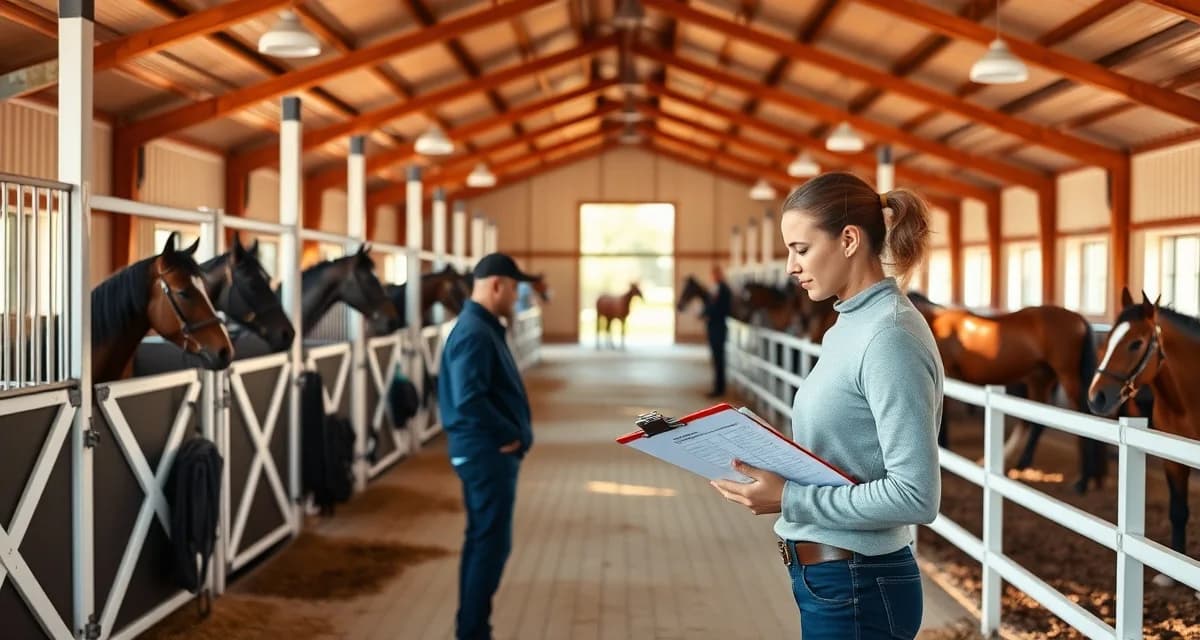
Managing a Show Barn Operation
A show barn runs on a different clock than a pleasure or boarding facility. The show season creates peaks of intense activity followed by slower periods. Horses come and go for competition, trainers manage multiple clients at once, and the administrative demands of tracking show expenses, training packages, and variable billing can overwhelm systems that work fine for simpler operations.
The Rhythm of the Show Barn
Understanding the show barn calendar is the first step to managing one well. For most disciplines, the show season runs from spring through fall in northern climates, with some year-round showing in the south and southwest. Within that season, the schedule is built around specific shows, qualifying windows, and the training work that supports competition.
This rhythm creates predictable planning windows. January through February is when you should be building the show schedule, confirming trainer capacity, managing horse fitness programs coming out of winter, and getting paperwork in order. By the time the first show arrives, your operation should already be in motion.
The off-season is not a slow period for administration. It is when you audit your systems, review your billing accuracy, re-sign client agreements for the coming year, and make any changes to your programs or pricing.
Staff and Trainer Management
Most show barns have a head trainer or multiple trainers working alongside barn staff. The relationship between trainers and barn managers can be productive or contentious, depending on how responsibilities are defined.
Barn staff are responsible for the daily care, stall management, and health monitoring of every horse on the property. Trainers are responsible for the training and competition work. When these roles blur, important things fall between the cracks. The barn manager is not always the right person to approve a supplement change a trainer recommends, but they are always responsible for making sure the change is documented and executed correctly.
Training schedules need to flow through a system that barn staff can see. When the trainer pulls a horse from turnout for an early session, the barn staff needs to know. When a horse is being prepped for a show and needs extra conditioning work or a change in diet, that information needs to reach the people responsible for daily care.
Health Management for Competition Horses
Show horses live a harder life than their pleasure counterparts. Travel, irregular schedules, exposure to horses from other facilities, and the physical demands of competition all create elevated health risks.
Good show barn management includes:
Pre-show health checks. A systematic look at every horse scheduled to go to a show. Shoes, health papers, Coggins status, any developing issues that need to be addressed before travel.
Travel protocols. How horses are loaded, what they eat on the road, how long hauls are managed. Horses that arrive at shows already stressed or dehydrated perform poorly and get sick more easily.
On-site management. If your staff is accompanying horses to shows, who is responsible for what. Feeding schedules, medication administration, stall assignments at the show grounds, and communication back to the home barn.
Return protocols. Horses coming back from shows often need a decompression period. They may come back stressed, dehydrated, or with minor issues that developed at the show. A return check process catches these early.
Billing in a Show Barn
Show barn billing is substantially more complex than basic boarding billing. In addition to board fees, you may be billing for training sessions, show preparation, transport, show fees passed through to clients, and variable add-on services.
Each client's bill can look very different from every other client's bill. One owner is doing two shows a month with full preparation. Another has a horse in light training with no shows. A third is sending their horse to one major show at the end of the season. Managing these accounts accurately requires per-horse charge tracking from the moment a service is rendered.
BarnBeacon lets you log training sessions, transport fees, show preparation services, and other variable charges against individual horse accounts as they happen. At billing time, everything is already recorded and organized, which eliminates the end-of-month reconstruction problem that plagues show barns running on spreadsheets.
Client Communication at Show Barns
Show barn clients are often highly invested in their horses' performance. They want updates on training progress, pre-show preparation, and results. They also want to understand their bills, especially when show-related expenses are added on top of regular board and training.
Build communication into your standard workflow rather than waiting for clients to ask. A brief update after each training session, a pre-show checklist shared with the owner, and a post-show summary create a client who feels informed and involved. That engagement is what keeps clients at your facility long-term even when results are not always what they hoped for. See also: show scheduling and training-barn-management.