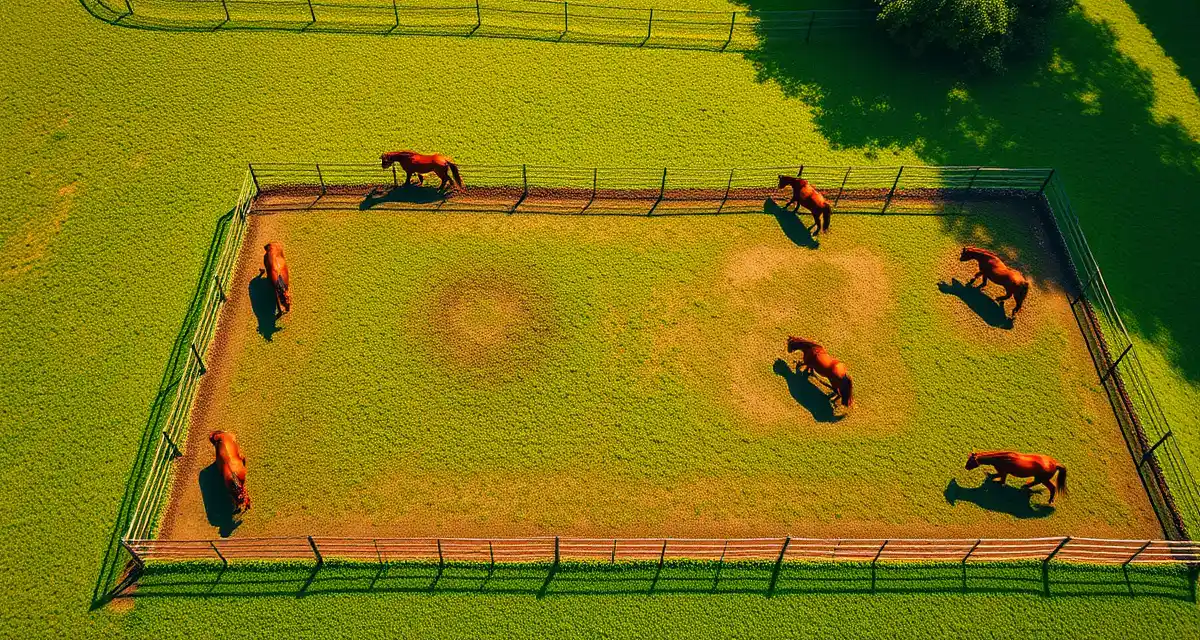
Scheduling Paddock Rotation to Protect Pasture and Manage Groups
Paddock rotation is one of the most effective tools an equine facility manager has for protecting pasture health, managing parasite loads, and reducing mud and overgrazing. It's also one of the most frequently neglected aspects of facility management because it requires planning and discipline that can fall apart under the daily pressures of running a barn.
Done well, a rotation schedule extends the productive life of your pastures significantly, reduces your hay costs during grazing season, and creates better conditions for horses in turnout. Done poorly, you end up with a few destroyed paddocks and a few underused ones, and the management value is lost.
Why Rotation Matters
Horses are hard on pasture. They overgraze favorite areas down to bare dirt while leaving other sections tall and rank. They concentrate manure near fence lines and water sources. Their hooves compact soil and break down turf, especially in wet conditions.
Without rotation, the degraded areas get worse every season. Weeds colonize bare patches. Parasite larvae concentrate where manure accumulates. Mud becomes a permanent condition in high-traffic areas. Over years, a facility without a rotation program can lose significant pasture productivity.
With rotation, grass has time to recover between grazing periods. Parasites die off in unused paddocks because the horse population isn't there to maintain the cycle. Manure can be spread or composted in rested areas. Soil structure recovers. The cumulative effect over several seasons is dramatically better pasture condition.
Planning Your Rotation Schedule
The basic principle is dividing your total turnout acreage into sections and moving horses between them on a schedule that gives each section adequate rest time. The rest period depends on grass growth rate, which varies by season and climate. In active growing conditions, four to six weeks of rest between grazings is often sufficient. In late summer drought or winter, rest periods may need to be longer because grass recovery is slower.
A common rule of thumb is that horses should be moved off a paddock when grass is grazed down to three to four inches, and returned when it has regrown to six to eight inches. This prevents the overgrazing that eliminates root reserves and kills turf.
Calculate your paddock needs based on your horse population and your land. A rough planning figure is one to two acres per horse for full-time turnout, divided into three to four rotating sections. A facility with twenty horses and forty acres might divide into four ten-acre sections, rotating every four to six weeks during growing season.
Grouping Horses for Rotation
Rotation scheduling intersects with your group management strategy. Moving compatible groups between paddocks is easier than rotating individual horses, and maintaining consistent social groups reduces the stress of rotation.
When designing your rotation groups, think about compatibility: mares and geldings if your facility separates by sex, dominant horses who do better with particular paddock mates, horses with special feeding needs who should not be in a mixed grazing group. See our guide on pasture group management for a deeper look at group composition.
Map your rotation so that paddock reassignments align with your existing group structure. If possible, rotate groups to paddocks that haven't hosted that group before, which helps with parasite management since larvae from the previous group will have died off in the rest period.
Tracking and Managing the Schedule
Rotation schedules that exist only in the barn manager's head fail when the manager is sick, on vacation, or dealing with a crisis and doesn't have mental bandwidth for the rotation calendar. Write the schedule down, and use a system that sends reminders when a paddock rotation is due.
BarnBeacon's scheduling tools allow you to build recurring tasks for paddock rotation, so the reminder arrives before the paddock gets overgrazed rather than after you notice the damage. Staff can see which group is due to rotate and to which paddock without needing to ask the manager.
Adjusting for Wet Seasons
The most common reason rotation schedules break down is wet weather. When paddocks are saturated, moving horses off dry pads into a muddy field is counterproductive, and the temptation is to keep horses on sacrifice areas until conditions improve.
Have wet-weather contingencies built into your plan. Designate sacrifice paddocks for wet conditions and remove them from the rotation during recovery. Graveled or geotextile-surfaced sacrifice areas allow you to maintain turnout without sacrificing the planted paddocks to mud damage.
For related reading, see pasture rotation management and pasture paddock management.