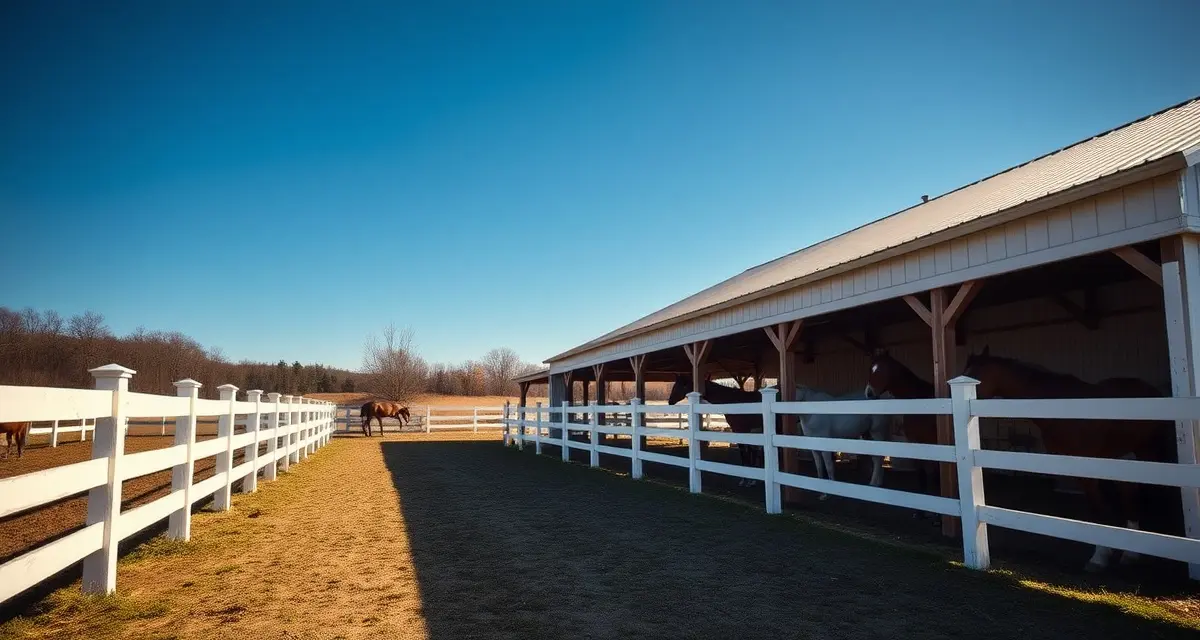
Running a Horse Boarding Business in New Hampshire: Guide for Barn Owners
Horse boarding is a $4B+ industry across the United States, and New Hampshire's mix of rural land, active equestrian communities, and proximity to major metro areas makes it a stronger market than most barn owners realize. Whether you're launching a new facility or tightening up an existing operation, running a profitable horse boarding business in New Hampshire requires more than good horsemanship.
TL;DR
- Horse boarding startup costs commonly reach $4 or more before a first horse arrives, depending on facility scope
- Break-even modeling should use 70% occupancy as the threshold, not full capacity
- Labor is underestimated by most new barn owners; budget 40% higher than your initial projection
- Feed and bedding alone can run $200 to $400 per horse per month at most US facilities
- A 90-day cash reserve is the practical minimum buffer for a new boarding operation
- Barn management software reduces administrative labor by hours per week, directly improving your break-even point
This guide covers the practical side: licensing, pricing, insurance, contracts, and the tools that keep daily operations from becoming a second full-time job.
What New Hampshire Barn Owners Need to Know First
New Hampshire has no state-level equine-specific boarding license, but that doesn't mean you're operating in a regulatory vacuum. Your business structure, property zoning, and local ordinances all matter before you take in your first horse.
Most boarding barns operate as LLCs to separate personal liability from business liability. New Hampshire's LLC filing fee is $100, and annual reports cost $100. That's a small price for meaningful legal protection.
Licensing, Zoning, and Legal Requirements
New Hampshire does not require a specific "horse boarding license," but you will need to address several areas before opening.
Business registration: Register your LLC or sole proprietorship with the New Hampshire Secretary of State. Operating without a registered business entity exposes you to personal liability.
Local zoning: Agricultural and equestrian uses are permitted in many NH towns, but not all. Check with your town's planning board before signing leases or investing in infrastructure. Some municipalities require a conditional use permit for commercial boarding operations.
Water and waste: The NH Department of Environmental Services regulates manure management and runoff. Facilities over a certain size may need a nutrient management plan. Contact NHDES early to understand your obligations.
Sales tax: New Hampshire has no sales tax, which simplifies billing for boarding rates significantly.
How to Price Horse Boarding in New Hampshire
Boarding rates in New Hampshire vary by region and service level. Full-care boarding in the southern part of the state, near the Massachusetts border, typically runs $800 to $1,400 per month. More rural areas in the north and west often range from $500 to $900.
Pasture board generally runs 40 to 60 percent of full-care rates. Partial board sits in between, depending on what's included.
When setting your rates, account for:
- Hay and grain costs (NH hay prices fluctuate seasonally)
- Bedding and stall maintenance labor
- Farrier and vet call-out fees if you coordinate them
- Facility mortgage or lease, utilities, and insurance
Underpricing is the most common mistake new barn owners make. Calculate your true cost per stall per month before setting any rate.
Insurance and Contracts
General liability insurance for equine facilities in New Hampshire typically starts around $500 to $1,500 annually for smaller operations. You should also carry care, custody, and control coverage, which protects you if a boarded horse is injured or dies while in your care.
A written boarding contract is non-negotiable. New Hampshire follows standard contract law, and a signed agreement protects both parties. Your contract should address payment plans, late fees, liability waivers, feed and care specifications, and the process for removing a horse if a boarder defaults.
For a deeper look at structuring your operation from the ground up, the horse boarding business guide covers contracts, pricing models, and growth strategies in detail.
Managing Daily Operations
Most boarding barns in New Hampshire still run on spreadsheets, text messages, and paper invoices. That works until it doesn't. When you're managing 15 or more horses, tracking feeding schedules, coordinating vet visits, and chasing down late payments manually becomes a real drain.
Barn management software like BarnBeacon centralizes billing, owner communication, and horse records in one place. Boarders get automated invoices and can message you through the platform. You get fewer missed payments and fewer 10pm texts asking about feeding instructions.
BarnBeacon is built specifically for equine boarding operations, which means it handles the workflows that matter to NH barn owners rather than forcing you to adapt a generic business tool.
How does BarnBeacon compare to spreadsheets for barn management?
Spreadsheets require manual updates, lack real-time notifications, and create version control problems when multiple staff members are working from different files. BarnBeacon centralizes records, pushes alerts automatically based on logged events, and connects care records to billing and owner communication in one system. Most facilities report saving several hours per week after switching from spreadsheets.
What is the setup process like for BarnBeacon?
Most facilities complete the initial setup in under a week. Horse profiles, service templates, and billing configurations can be imported from existing records or entered directly. BarnBeacon's US-based support team is available to assist with setup, and most managers are running their first billing cycle through the platform within days of starting.
Can BarnBeacon support a barn with multiple staff members?
Yes. BarnBeacon supports multiple user accounts with role-based access, so barn managers, barn staff, and owners each see the information relevant to their role. Task assignments, completion logs, and communication history are all attached to the barn's account rather than to individual staff phones or email addresses.
Sources
- American Association of Equine Practitioners (AAEP)
- American Horse Council
- Kentucky Equine Research
- UC Davis Center for Equine Health
- American Horse Council Economic Impact Study
Get Started with BarnBeacon
A sound business plan and a reliable management system are two halves of the same operation. BarnBeacon gives boarding barns in New Hampshire the billing automation, health record management, and owner communication tools that make the operational half work as well as the financial plan describes. Start a free trial and see how the platform fits the way your barn runs.