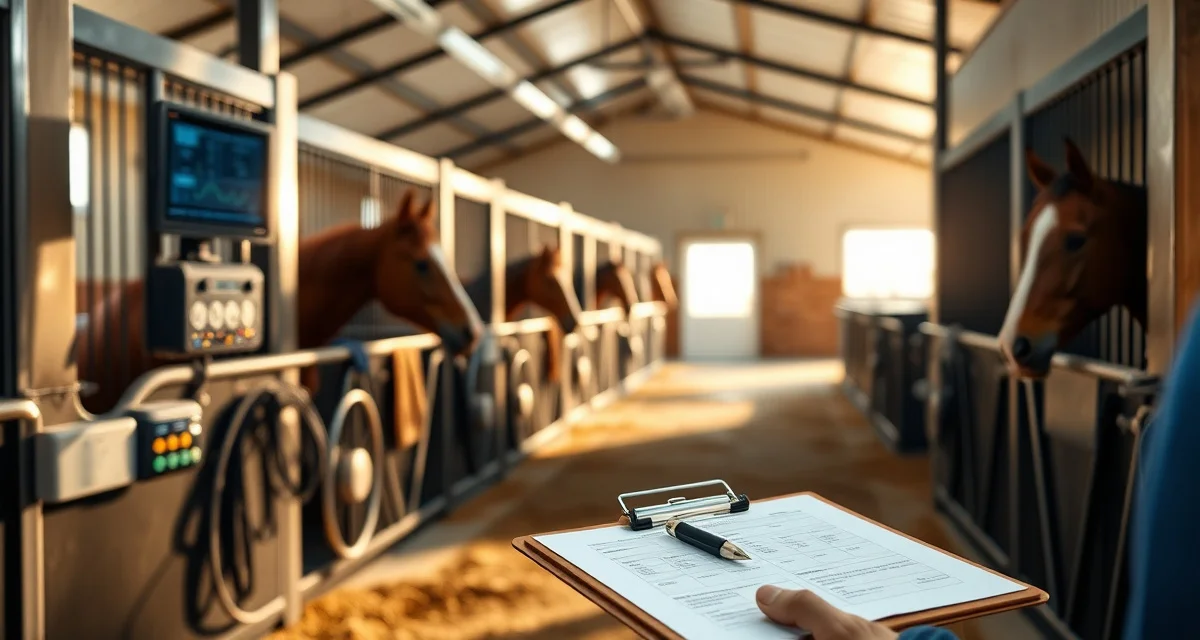
Management Systems for Equine Breeding Operations
A breeding barn is one of the most record-intensive environments in the horse industry. You are tracking reproductive cycles, breeding dates, ultrasound findings, pregnancy confirmations, and foaling outcomes across multiple mares, often with multiple stallions in play. Without organized systems, critical information falls through the cracks at exactly the wrong moment.
The Core Record Set for a Breeding Operation
Every breeding barn needs a clear record structure for each horse, but the depth of that structure depends on the animal's role.
For mares, you need a breeding history file that includes previous pregnancies and outcomes, current reproductive status, cycle tracking, breeding dates, post-breeding checks, pregnancy confirmation dates, and foaling records. If you are managing reproductively challenging mares, you also need detailed notes on treatments, protocols used, and response to those protocols.
For stallions, the record set focuses on collection history, semen quality evaluations, breeding book management, and offspring records. If you collect and ship cooled or frozen semen, you need shipping logs with recipient mare information, dates, and confirmation of receipt and use.
For foals, records start at birth and include foaling details, first nursing observations, IgG test results, Coggins and registration timelines, and early health events.
Tracking Reproductive Cycles Accurately
Cycle tracking is where a lot of breeding operations lose efficiency. If you are relying on handwritten notes passed between barn staff and your vet, information gets lost or misinterpreted. A mare cycling through without getting caught in the right window is a costly missed opportunity.
Implement a consistent teasing log for every mare in the breeding program. Note date, stallion response, mare response, and any observations about discharge or discomfort. Combine teasing records with your vet's ultrasound findings to build a picture of each mare's cycle length and pattern.
Some mares are irregular, especially early in the season or coming off extended estrus suppression. Flag these mares in your system so your vet knows to monitor more closely.
BarnBeacon lets you log reproductive observations alongside scheduled vet visits so everyone involved in a mare's care sees the same current information rather than working from fragmented notes.
Managing the Breeding Book
If you stand a stallion at your facility, the breeding book is a critical business document. It tracks which mares are contracted, what the breeding terms are (live cover, cooled semen, frozen), payment status, and outcome reporting to the breed registry.
Breed registries typically require stallion breeding reports filed annually, with mare names, owners, and breeding dates. If you are sloppy about recording this information through the season, reconstructing it at year end is painful and error-prone.
Assign one person responsibility for the breeding book and build a habit of updating it after every breeding and every veterinary check. The breeding book intersects with your billing records, so accurate breeding logs also mean accurate invoicing for breeding fees and related services.
Foaling Records and Foal Watch Protocols
Foaling is high-stakes. A problem foaling that goes undetected for an extra thirty minutes can mean the difference between a live foal and a dead one. Your foaling documentation needs to start before the foal hits the ground.
Document each mare's foaling preparation: udder development, relaxation of the vulva, wax buildup on teats, and behavior changes. These are the signals that delivery is approaching. Keep a foaling log for each mare starting two weeks before her expected date.
Once a foal arrives, the immediate record should capture time of birth, presentation (normal or assisted), time to stand, time to first nurse, and any concerns observed. Within the first 24 hours, document IgG results, vet examination findings, and navel care.
Foal records link directly to registration paperwork. Most breed registries have deadlines for foal registration, often 90 to 120 days after birth, and DNA testing requirements. Build a registration task into your foaling record so it does not get overlooked during a busy foaling season.
Stallion Records Beyond the Breeding Book
Stallions at stud require their own health record maintenance that goes beyond what you track for riding or breeding horses. Annual breeding soundness exams, semen quality evaluations, and reproductive health documentation are prerequisites for most breed registry breeding approval programs.
If you collect and ship cooled semen, maintain shipping logs that include the date, recipient farm and mare, shipped dose count, extender used, and any special handling notes. When mares do not conceive, this log helps your vet troubleshoot whether the issue is collection quality, shipping handling, or the mare herself.
Track breeding fees, booking deposits, and live foal guarantee terms in your records. When a mare does not produce a live foal, you need documentation to honor the guarantee terms correctly and maintain your reputation with clients.
Connecting Records to Billing
Breeding operations have complex billing. Mare care fees, veterinary services, breeding fees, ultrasound charges, collection and shipping costs, foal care, and registration filing fees can all appear on a single client's account in one breeding season.
Clear records make accurate billing possible. When your client account ledgers reflect every service provided, you protect your revenue and avoid disputes. Clients trust barns that can explain every line item on an invoice.
Use a barn management system that connects your care records to billing rather than maintaining separate spreadsheets that drift out of sync over time.
Year-Round vs. Seasonal Operations
Some breeding barns operate year-round, particularly those working with warmblood or draft breeds that have more flexible breeding seasons or those using artificial lighting programs to advance the transition into breeding season. Others operate seasonally, with a peak period from February through July.
Your record systems need to support whichever model you run. For seasonal operations, plan your software and record structure before the season opens, not after the first mare comes in for a check.